Move Easier: 10 Packing Tips for a More Organized Move
Packing for a move gets much easier when you make decisions about organization before the first box is sealed. The goal isn't simply to get everything out of the house. Boxes need to survive loading, unloading, temporary storage, and another round of unpacking without turning into a guessing game.
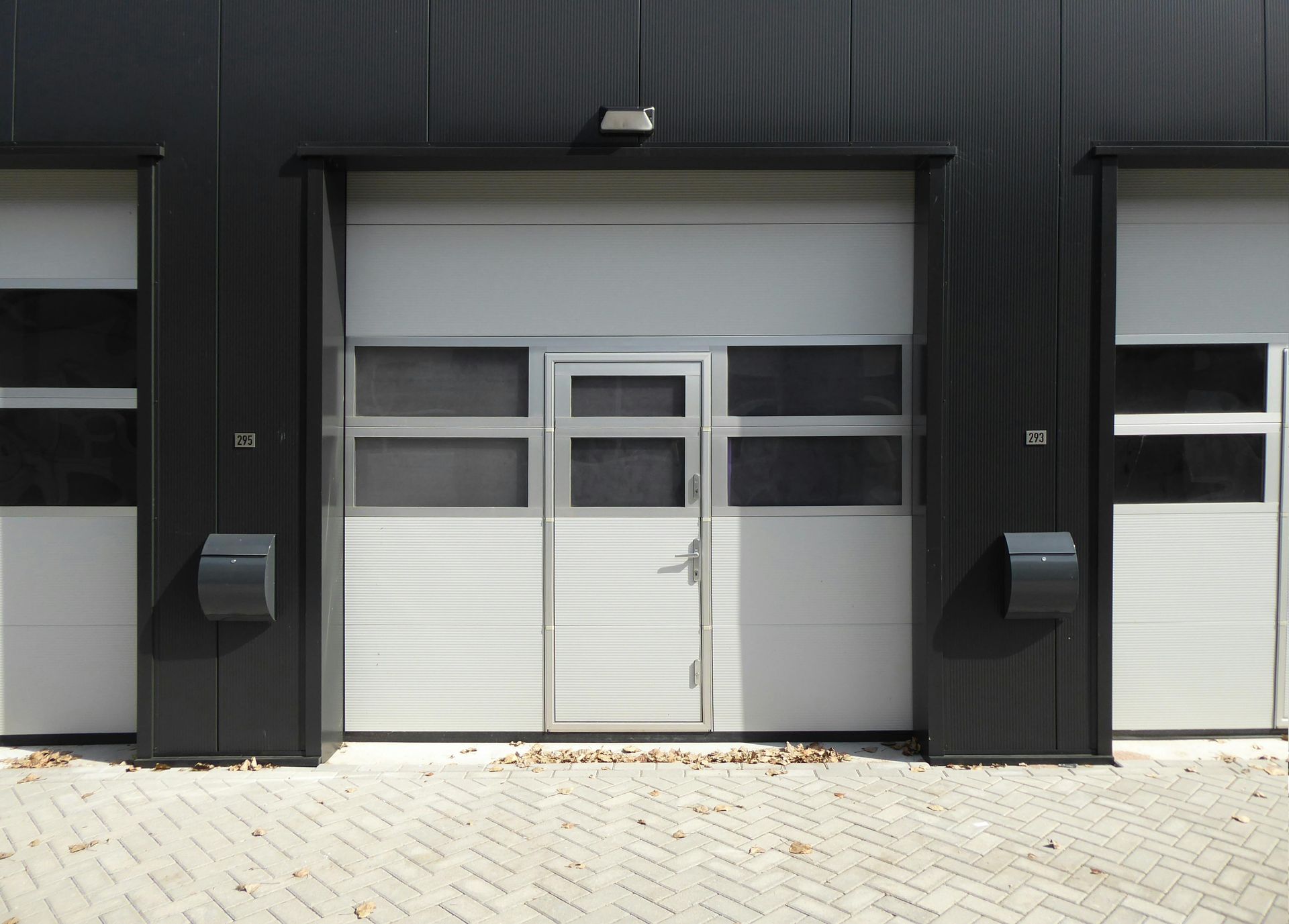
If your moving dates don't line up perfectly, a storage unit can give you somewhere to keep packed belongings between homes. At our property on Old State Highway 210, we offer drive-up access, ground-floor units, interior storage, and temperature-controlled options. Our storage options in Liberty, MO are available to compare if you need temporary space while moving.
Knowing how to store items for a move starts with packing for the entire process, not just the trip across town. These ten tips focus on protecting belongings, keeping boxes manageable, and making sure you can find what you need when it's time to unpack.
1. Sort Before You Start Filling Boxes
Moving something you already plan to discard creates extra work at every stage. Before packing a room, separate what you're taking from what you'll donate, recycle, sell, or dispose of. This is especially useful in garages, basements, closets, and other places where unused belongings tend to accumulate.
Liberty residents also have local disposal options worth checking before moving day. The City of Liberty provides curbside and drop-off recycling as well as scheduled bulky-item collection for eligible residential customers. Some materials aren't accepted through regular collection, so check the city's trash, recycling, and bulky-item information before setting unwanted items at the curb.
2. Choose Boxes That Will Stack Properly
A collection of damaged or oddly shaped boxes becomes harder to load into a truck and harder to organize in a storage unit. Use sturdy boxes that close properly, and avoid overfilling them until the sides bulge. Partially filled boxes need attention too because their tops can cave under weight.
Similar box sizes are particularly useful when belongings will spend time in storage. Straight edges line up more predictably, so you can build stable stacks instead of balancing one container on another. Our guide to stacking boxes efficiently in a storage unit covers this in more detail.
3. Pack Heavy Belongings in Smaller Boxes
Books, dishes, tools, and other dense belongings become difficult to handle when they're packed into oversized containers. Smaller boxes keep the weight more manageable and are easier to position at the bottom of a stack.
Lighter belongings such as bedding and clothing can go into larger containers because their size doesn't create the same lifting problem. Whatever the box size, don't pack beyond what the container can support. A box that loses its shape during the move won't provide a reliable base when you start stacking.
4. Label for Unpacking, Not Just Moving Day
"Kitchen" tells you where a box goes. "Kitchen: everyday dishes and mugs" tells you whether you need to open it tonight or next month. A little more detail on the label saves you from cutting open several boxes to find one item.
Label more than one visible side so the description doesn't disappear once boxes are stacked. If some belongings are going directly to the new home while others are going into a storage unit, make that distinction obvious too. A simple numbering system paired with an inventory on your phone or a sheet of paper works well when you're managing a larger move.
5. Keep the First Things You'll Need Separate
Some belongings shouldn't disappear into the main stack. Keep medications, chargers, important documents, basic toiletries, a change of clothes, and the supplies you'll need immediately at the new home with you rather than burying them among packed household goods.
Apply the same idea to temporary storage. Put belongings you'll retrieve first near an accessible area rather than behind furniture and long-term boxes. Our storage units currently have access hours from 6:00 a.m. to 10:00 p.m. daily, but good placement still saves you from unloading part of the unit to reach one container.
6. Prepare Furniture Before It Goes Into Storage
Clean furniture before packing it and make sure every piece is dry. Removing detachable parts when doing so makes an item easier to carry or reduces the chance of damage. Keep screws and other small hardware together, label them clearly, and make sure they're associated with the correct piece.
Material matters when you're deciding where furniture should stay during a move. Wood, leather, fabric, and other sensitive materials deserve more consideration if they'll remain stored for an extended period. Our climate-controlled storage FAQ explains which belongings may benefit from a more consistent environment and what our temperature-controlled options provide.
7. Don't Pack Damp or Dirty Belongings
Moving deadlines make it tempting to pack first and clean later, but dirt and moisture are poor things to seal inside a box. Clothing, linens, furniture, outdoor equipment, and similar belongings should be clean and completely dry before they're packed away.
This matters even if you're using temperature-controlled space. Climate control doesn't make damp belongings dry or compensate for poor preparation. Our facility guidance recommends cleaning and drying belongings before storage and using suitable boxes or containers to keep them organized.
8. Load and Stack From Heavy to Light
Think about stacking order while you're packing, rather than after everything arrives. Strong, heavy containers belong at the bottom. Lighter and more fragile boxes belong higher, where they aren't supporting the weight of books, kitchenware, or tools.
The same rule applies when arranging a storage unit during a move. Use sturdy containers as the foundation, keep stacks at manageable heights, and don't sacrifice stability simply to use every inch overhead. A tightly packed unit isn't useful if reaching one box requires dismantling an unstable stack.
9. Plan Your Storage Unit Around Retrieval
If you're moving belongings into temporary storage, don't treat the unit like the back of a moving truck. You may need something before move-in day, so organize the space around what you'll retrieve and when.
Place long-term belongings toward the back and keep sooner-needed boxes accessible. Grouping related items together also makes retrieval easier. Our property offers drive-up access as well as ground-floor and interior storage, so the right setup depends partly on the type of unit you're using and what you're moving into it.
10. Decide Which Items Need a More Controlled Environment
Not every belonging needs temperature-controlled storage. Durable outdoor equipment may have different requirements from photographs, electronics, documents, wood furniture, artwork, or clothing. Sorting by material and sensitivity gives you a better basis for choosing a unit than putting every moving box into the same category.
At our Liberty property, temperature-controlled units are available alongside standard options. We don't publish a specific temperature or humidity range, so belongings that require tightly regulated conditions should be evaluated according to their individual requirements before they're stored.
Make Storage Part of the Moving Plan
The best time to decide how you'll use temporary storage is before the moving truck is loaded. Labeling boxes by destination, keeping frequently needed belongings accessible, and separating sensitive items from durable ones means fewer decisions have to be made while you're carrying furniture.
Our facility at 1122 Old State Highway 210 is accessible from Route 291 South, South Liberty Parkway, and MO-210 West. If your move requires extra room between addresses, you can
explore
storage options from Liberty Bend Storage and compare the current spaces and features available at our Liberty property.